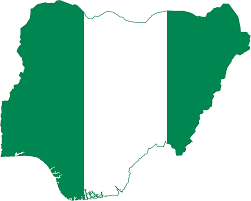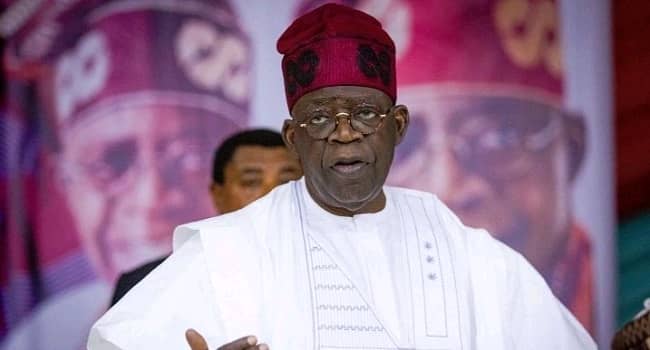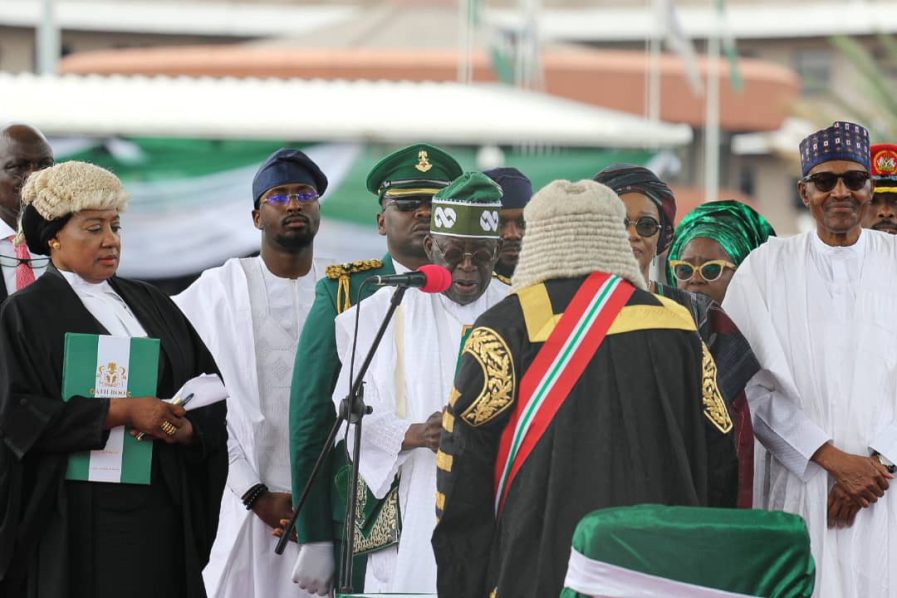
The inauguration of Bola Ahmed Tinubu as Nigeria’s 16th President has brought about a pivotal shift in the power dynamics of the country, signifying a significant turning point.
This change has resulted in a profound transformation of Nigeria’s political landscape, with the epicenter of power relocating from Daura to Lagos. As a result, the implications for the Nigerian people and their unwavering loyalty to those in positions of authority have become more prominent.
The culture of loyalty to power has always been deeply embedded in the fabric of Nigerian society. The Nigerian people have consistently demonstrated their remarkable ability to unite and support those in positions of authority, recognizing the crucial role that leadership plays in shaping their lives and the destiny of the nation. Whether it be a political figure, a government institution, or a prominent individual, Nigerians instinctively align themselves with those who wield power.
The recent power shift from Daura, which held significant influence over Nigeria’s political landscape for the past eight years, to Lagos, a bustling metropolis and economic hub, has captured the attention and allegiance of Nigerians nationwide. Lagos, with its vibrant energy and thriving economic activities, has emerged as a significant center of political gravity. It is where the currents of power converge and decisions that impact the nation are made.
Nigerians understand that power brings with it the ability to shape policies, make critical decisions, and steer the direction of the country. They keenly observe the movements and actions of those in charge, recognizing that their loyalty can yield benefits for their communities, livelihoods, and aspirations for a better future.



However, it is important to note that loyalty in Nigeria is not blind or unconditional. Nigerians are discerning in their allegiance and hold those in power accountable for their actions and promises. They expect tangible results, improved governance, and fulfilment of the needs and aspirations of the Nigerian people. Loyalty, in this context, is a two-way street that necessitates responsible leadership and a genuine commitment to the welfare of the nation.
As power continues to evolve and shift within Nigeria, it is crucial to maintain a vigilant eye on the ever-changing dynamics. The Nigerian people will remain faithful to those who demonstrate competence, integrity, and a genuine dedication to the well-being of the nation. It is through this symbiotic relationship between the Nigerian people and those in power that the country can forge ahead on the path of progress and prosperity.
With Lagos now at the forefront of Nigeria’s political landscape, it is expected to attract power brokers and decision-makers from across the nation. The city’s economic significance and vibrant atmosphere make it an appealing center for political activities. As such, Lagos is likely to become a hub where influential figures gather, where ideas are exchanged, and where important decisions are made.
The shift of power from Daura to Lagos carries various implications for Nigeria and its people. Lagos is not only a political hub but also a major economic center in Nigeria. With power now concentrated in Lagos, it is expected to further attract investments, businesses, and economic activities. This shift has the potential to boost economic growth, create job opportunities, and improve the standard of living for Nigerians living in Lagos and its surrounding areas.
As power and influence gravitate towards Lagos, there is a possibility of increased focus on infrastructure development in the region. The government may prioritize improving transportation systems, expanding utilities, and addressing issues such as housing and urban planning. This could lead to a transformation of Lagos into a more modern and sustainable city, setting an example for other regions in Nigeria.
The shift in power may lead to a realignment of political forces within Nigeria. Political parties, interest groups, and influential individuals may reposition themselves to gain proximity to the new center of power. This could result in shifts in alliances, party affiliations, and political strategies, ultimately shaping the political landscape of the country.
Lagos is known for its cultural vibrancy, artistic expressions, and diverse population. As power converges on Lagos, it has the potential to amplify its cultural influence both nationally and internationally. This can result in the promotion of Lagos’ cultural heritage, increased tourism, and the recognition of its artistic and creative industries.
Lagos is already a prominent center for media and information dissemination in Nigeria. With the shift in power, Lagos may become an even more significant hub for news agencies, media organizations, and digital platforms. This concentration of media influence can shape public discourse, shape narratives, and influence national conversations.
The recent shift in power from Daura to Lagos represents a significant transformation in the dynamics of power in Nigeria. Loyalty to power remains deeply ingrained in Nigerian society, but it is not blind or unconditional. Nigerians expect responsible leadership, tangible results, and the fulfilment of their needs and aspirations. As power continues to evolve, maintaining a vigilant eye on the changing dynamics and fostering a symbiotic relationship between the people and those in power will be crucial for Nigeria’s progress and prosperity.
▪ Augustine Osayande, PhD, contributed this piece through austinelande@yahoo.com