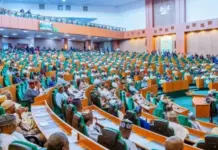
Alh. Mohammed Bashar-Nuhu, a former Niger Commissioner for Education, says Nigeria’s democratic experience since 1999 has significantly expanded access to education, healthcare and other social services, despite lingering developmental challenges.
Bashar-Nuhu stated this in an interview with the News Agency of Nigeria (NAN) in Minna ahead of the June 12 Democracy Day celebration.



He said democracy remained preferable to military rule because it promoted freedom, inclusiveness and human dignity.
“Democracy has created opportunities for citizens to freely express their views and aspire to leadership positions regardless of their background.
“Since the advent of democracy in 1999, it could not have been better. There is an adage that says the worst civilian administration is better than military rule, and I strongly believe in that.
“Democracy has brought equilibrium into the system and expanded access to education, healthcare and other social services that were previously limited,” he said.
According to him, the increase in the number of universities, primary and secondary schools across the country has improved access to education, while the expansion and upgrading of medical facilities have enhanced healthcare delivery.
Forum tasks LUTH on implementation of quality improvement, patient safety
He added that democracy had improved social mobility by enabling individuals from humble backgrounds to attain leadership positions through elections and appointments.
The former commissioner also said the democratic system had strengthened citizen participation and fostered a greater sense of belonging among different segments of society.
Bashar-Nuhu, however, noted that Nigeria still faced major challenges, particularly in the areas of insecurity, quality education, healthcare delivery and infrastructure development.
He expressed concern over the spread of insecurity across various parts of the country and called for more decisive measures to address the menace.
He also stressed the need to focus not only on access to education but also on improving its quality through sustainable infrastructure and adequate manpower development.
While commending ongoing road projects across the country, Bashar-Nuhu advocated increased investment in railway transportation to reduce traffic congestion, fuel consumption and environmental pollution.
“We need efficient rail connectivity linking major cities and surrounding communities to ease pressure on roads and improve the movement of people and goods,” he said.
He further lauded the establishment of regional development commissions, describing the initiative as a strategic step toward balanced national development.
According to him, adequate funding and effective coordination of the commissions would accelerate development across the country’s geopolitical zones.
On agriculture, Bashar-Nuhu called for increased government support through subsidies and affordable farm inputs to encourage youth participation and boost food production.
He said agriculture remained one of the sectors with the greatest potential for job creation and industrial growth.
The former commissioner also advocated the revival of dormant industries and the establishment of new ones to tackle unemployment and reduce poverty.
Speaking on the economy, he expressed optimism that ongoing reforms would eventually yield positive results and improve the living conditions of Nigerians.
He urged leaders at all levels to embrace transparency, accountability and visionary leadership while ensuring fairness, equity and inclusiveness in governance.
Bashar-Nuhu maintained that democracy offered the best platform for national development and citizen empowerment, stressing that responsible leadership and active citizenship were essential for the country’s progress.
“Democracy is a win-win system when leaders are responsive and citizens play their roles responsibly. It provides opportunities for everyone and remains the best path to sustainable development,” he said.
Also speaking, a civil society activist, Abdullahi Jabi, described Democracy Day as an occasion to honour the sacrifices of late Chief M.K.O. Abiola and other pro-democracy activists who fought for the restoration of democratic governance in Nigeria.
Jabi urged governments at all levels to improve citizens’ welfare through better infrastructure, improved remuneration and expanded employment opportunities for youths.
He said tackling unemployment and poverty would significantly reduce insecurity and strengthen public confidence in democratic governance.
The activist also called for policies that would promote inclusiveness, social justice and equitable development across the country.
According to him, although Nigeria’s democracy has recorded notable gains over the past 27 years, more efforts are needed to strengthen institutions, improve service delivery and ensure that democratic dividends reach all citizens.
(NAN)