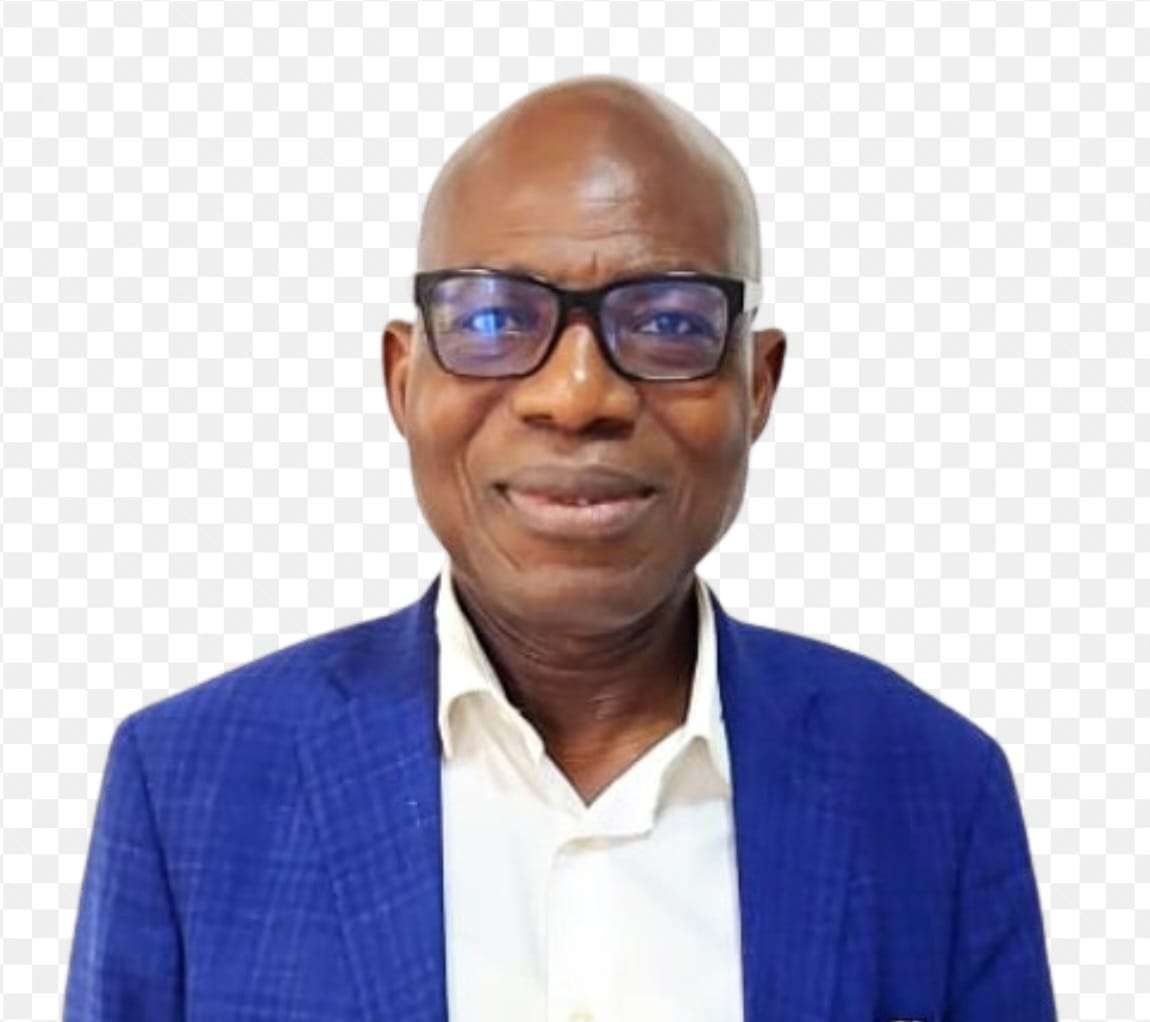
Energy expert and public policy analyst Dan Kunle has warned that Nigeria risks losing out on its enormous hydrocarbon wealth if it fails to urgently convert oil and gas resources into industries, jobs and infrastructure.
Delivering the keynote lecture at the 4th Annual Distinguished Lecture, Book Presentation, Golf Tournament and 80th Birthday Celebration of Engr. Yusuf Lanre Sagaya, FNSE, FAEng, OFR in Ilorin on Wednesday, Kunle said the real conversation around oil and gas is not about barrels but about civilisation, development and human progress.
The event, organised by the Nigerian Society of Engineers, Ilorin Branch, was attended by the Governor of Kwara State, leadership of the NSE, royal fathers, captains of industry and professional colleagues.
—From stone age to hydrocarbons: Resources don’t create wealth, humans do—



Tracing human civilisation from the stone age through iron, coal and oil, Kunle argued that “resources by themselves do not create development. Human knowledge creates development. Technology creates development. Innovation creates development. Engineering creates development.”
“The difference between a resource and wealth is utilisation,” he said, noting that while palm oil was a major West African commodity before petroleum, modern civilisation was built on affordable hydrocarbon energy that powers transport, manufacturing, fertilisers, pharmaceuticals and petrochemicals.
—Nigeria’s paradox: Abundance vs energy poverty—
While Nigeria has substantial crude oil reserves and one of the largest natural gas endowments globally, Kunle asked why the country still struggles with energy poverty, industrial underdevelopment and infrastructure deficits.
“The answer lies in the distinction between availability and accessibility,” he said. “Oil beneath the ground is not wealth. Gas trapped beneath geological formations is not wealth. Undiscovered resources are not wealth. They are merely potential wealth.”
He stressed that Nigeria must continually replace reserves through frontier exploration in basins like Anambra, Benue Trough, Bida, Sokoto, Gongola and Chad. “If exploration declines, future availability declines. Reserve replacement is not optional. It is essential.”
—Accessibility is engineering and investment–
Kunle said accessibility is where engineers become indispensable. From seismic acquisition to drilling, pipelines, processing plants and distribution networks, “engineers transform potential into reality. Engineers transform resources into value.”
He cited the Dangote Refinery and Petrochemical Complex as evidence of what engineering, project management and industrial ambition can achieve when a nation’s resource potential is converted into productive assets.
He noted the complex’s one million metric tonnes per annum polypropylene capacity and its integration of refining, fertiliser and petrochemicals as the model Nigeria must replicate.
–“Nigeria is fundamentally a gas nation”–
While oil shaped Nigeria’s past, Kunle argued that gas will shape its future. With about 210 trillion cubic feet of proven reserves and potential for over 600 TCF if deliberate exploration is done, he said gas can power industries, fertiliser plants, petrochemicals, electricity and industrial corridors.
“What flows through AKK pipelines is more than fuel. What flows through them is opportunity. What flows through them is industrial development,” he said.
–Sustainability must mean opportunity, not abandonment–
On the global energy transition, Kunle said sustainability for developing economies must balance environmental responsibility with energy access.
According to him, “Africa still faces significant energy poverty. Millions remain without reliable access to modern energy services. Economic development requires energy. Industrialisation requires energy. Job creation requires energy.”
He warned that the greatest danger is not falling hydrocarbon demand, but “failing to utilise these resources while they remain strategically valuable. Every year of delay carries a cost. Every stranded resource represents unrealised prosperity.”
—Call to action: 5 virtues + more industrial champions—
Kunle said countries like Japan, Singapore and South Korea succeeded with limited resources because they embraced honesty, compassion, courage, humility and patience, plus technology, productivity and value creation.
He urged Nigeria to intensify exploration, expand refining, accelerate gas development, strengthen infrastructure, create stable policies and support innovation.
He called on government to encourage more entrepreneurs into large-scale resource transformation, citing Aliko Dangote, Mike Adenuga, Abdulsamad Rabiu, Tony Elumelu, Femi Otedola and Dahiru Mangal as examples.
He also commended the Aliko Dangote Foundation’s N100 billion annual commitment to STEM education and the Nigerian Academy of Engineering’s recent fellowship for Dangote.
—Conclusion—
“Future generations will not judge us by the quantity of hydrocarbons beneath our soil. They will judge us by whether we transformed those hydrocarbons into industries, jobs, infrastructure and prosperity. The opportunity is before us. It will not remain forever. The responsibility is ours. The time to act is now,” Kunle concluded.
He prayed for Allah’s blessings on the honoree, Kwara State and Nigeria.