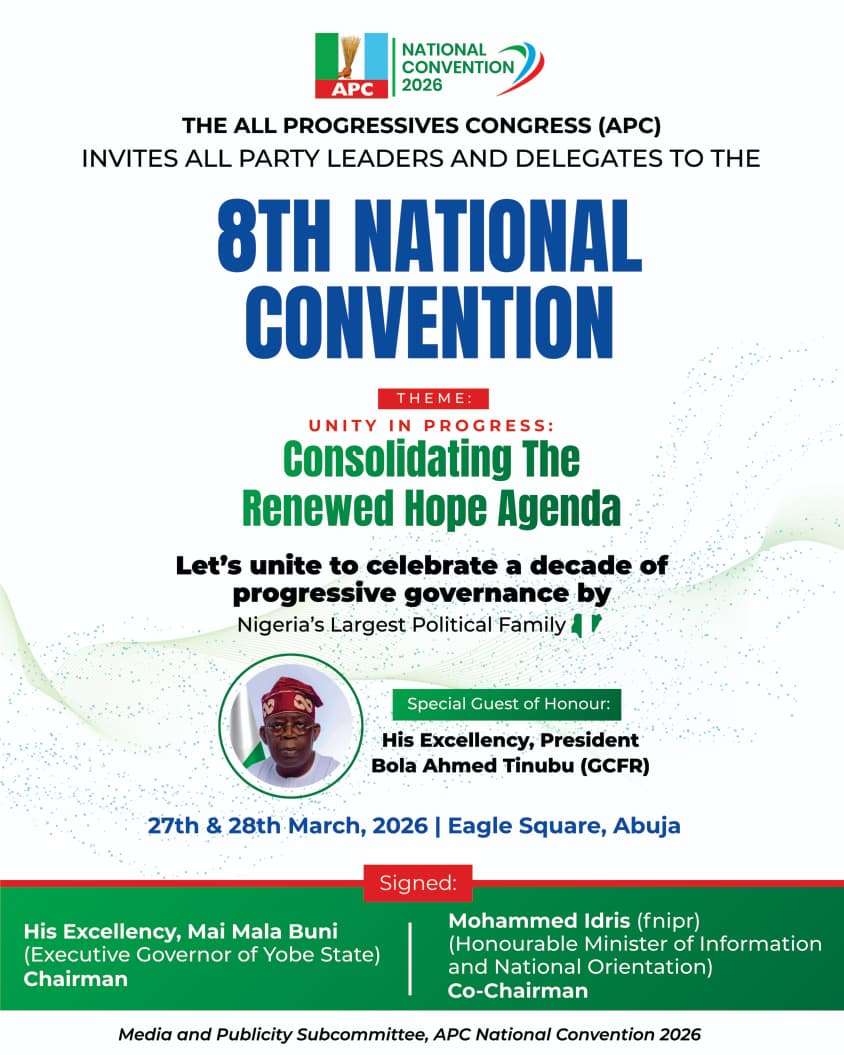
As the 2027 elections draw closer, Nigeria stands once again at a critical juncture – a moment that demands deep reflection on the kind of leadership the nation truly requires. The choices before the electorate are stark: retain the current administration or opt for change. But beyond this binary lies a more fundamental question- what should define the leadership Nigeria needs at this pivotal moment?
The Factors may Shape Voter Choices
Several pressing issues will undoubtedly influence the electorate’s decision. Foremost among them is the widespread disappointment with the current government’s policies, which have inflicted severe economic hardship on citizens. The freefall of the naira, the removal of fuel subsidies without adequate mitigation measures, and the imposition of multiple levies and taxes have left many Nigerians struggling to survive.
Compounding these economic woes is the perception of an overbearing government – one that muzzles opposition, disregards dissent, and operates with an alarming remoteness from the people it governs. The executive’s dominance over other arms of government has further eroded public trust, creating an impression of unchecked power.

Security remains another critical concern. The failure to curb insurgency, banditry, and communal violence has led many to question whether the government is truly committed to protecting its citizens or worse, whether it is complicit in the ethno-religious tensions tearing the nation apart. The lack of inclusivity in governance has only deepened these divides, fostering a sense of alienation among large sections of the population.
The Leadership Nigeria Deserves
Against this backdrop, Nigeria needs a leader who can rise above division and steer the nation toward healing. The ideal leadership must prioritize *inclusivity*, ensuring that every Nigerian, regardless of ethnicity, religion, or social class, feels represented and valued. This leader must be a unifying figure, one who can mend frayed national cohesion and restore faith in governance.
Experience matters. Nigeria cannot afford another leader who spends precious years learning on the job while the nation burns. The next president must be a seasoned administrator, someone with a proven track record in governance, capable of hitting the ground running from day one.
Courage will be non-negotiable. The next administration must tackle Nigeria’s structural defects head-on, including the urgent need for restructuring to ensure efficient governance. A leader must also be unflinching in confronting insecurity, deploying every necessary resource without political bias or favoritism.
On the international stage, Nigeria’s stature has waned. The next leader must command global respect, leveraging diplomatic influence to reclaim the nation’s standing and attract meaningful partnerships.
Perhaps most crucially, electoral reform must be a top priority. Free and fair elections are the bedrock of democracy, and any leader serious about Nigeria’s future must commit to overhauling the electoral system and ensuring that votes count, that outcomes reflect the people’s will, and that no individual or group manipulates the process for selfish gain.
A Lesson from the Past
History offers a template. There was once a leader who, despite immense pressure, upheld the sanctity of the ballot box, conceding defeat in the interest of national peace. This leader governed with relative moderation, avoiding the extremes of authoritarianism, and maintained a demeanor of restraint even in the face of provocation. Such qualities as humility, respect for democratic norms, and a commitment to stability. These are what Nigeria desperately needs today.
As 2027 approaches, Nigerians must look beyond rhetoric and sentiment. The nation’s survival depends on choosing a leader who embodies these virtues; one who can unite, reform, and restore hope in a country that has suffered too much for too long. The time for decisive, compassionate, and competent leadership is now.
■ Baba Isimi FNIA is promoter of National Integration Group
Stay ahead with the latest updates! Join The ConclaveNG on WhatsApp and Telegram for real-time news alerts, breaking stories, and exclusive content delivered straight to your phone. Don’t miss a headline — subscribe now!