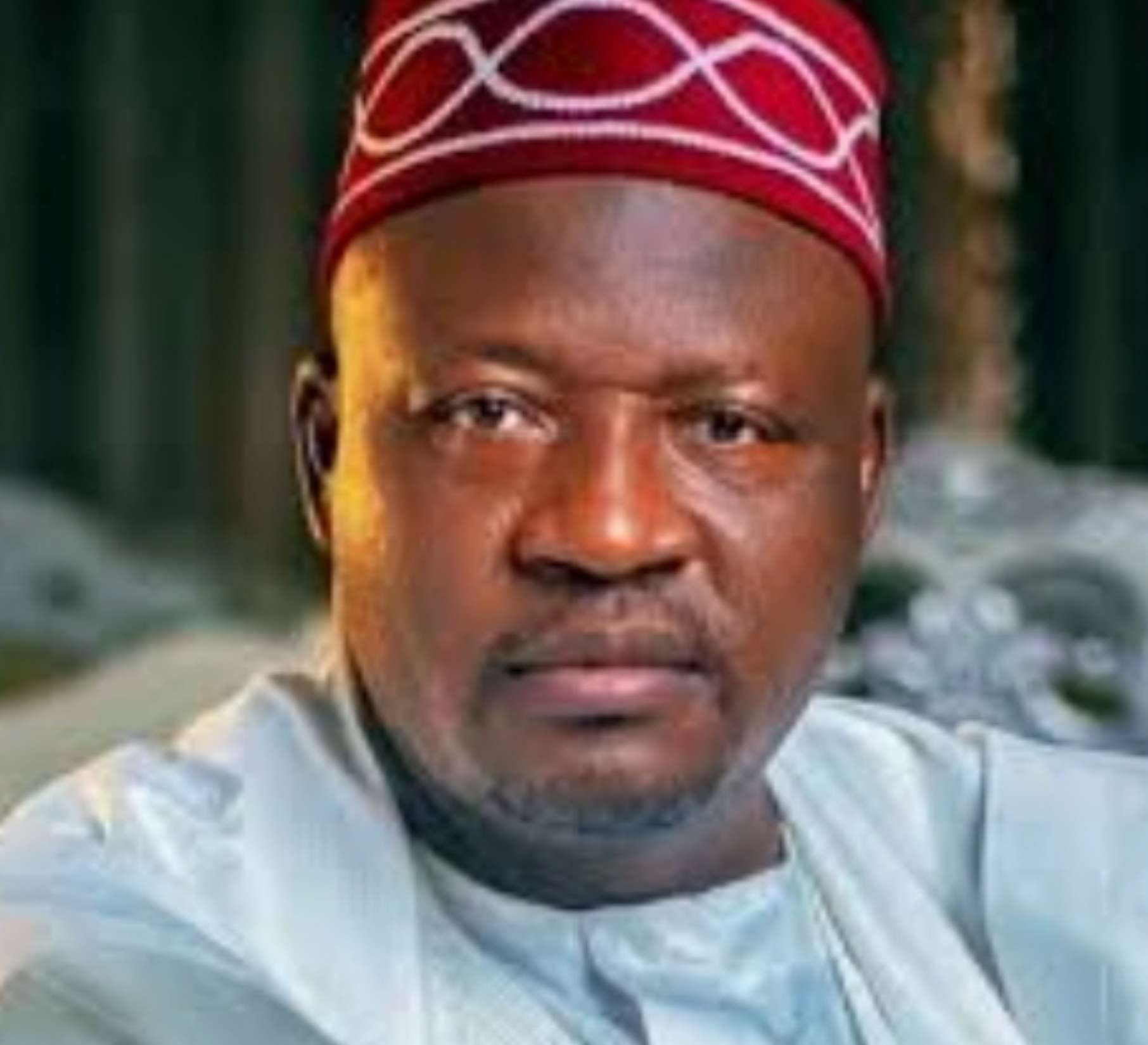
Senator Sulaiman Abdulrahman Kawu Sumaila has, over the years, built a political identity rooted in resilience, grassroots influence, strategic realignment, and deep experience within Nigeria’s legislative and power structures. In the often unpredictable terrain of Kano politics, where loyalty shifts rapidly and political relevance can disappear overnight, Kawu Sumaila has managed to remain not only visible, but consistently influential.
Born on 3 March 1968 in Sumaila Village of Kano State, Kawu Sumaila’s journey reflects the evolution of a politician who combines intellectual depth, political calculation, and constituency connection. Unlike many politicians whose influence is tied solely to party structures, Kawu has cultivated a personal political base that has repeatedly proven capable of surviving ideological shifts, party defections, and intense political rivalries.
An academic, businessman, school proprietor, and politician, Kawu Sumaila possesses a blend of administrative, legislative, and grassroots experience that has strengthened his longevity in public life. Armed with a Ph.D. in Political Science from Al-Qalam University alongside other advanced qualifications and international exposure, he has consistently projected himself as a politician with both intellectual capacity and practical political understanding.
His rise to national prominence began in 2003 when he was elected to represent Sumaila/Takai Federal Constituency in the House of Representatives. For twelve uninterrupted years, from 2003 to 2015, Kawu Sumaila became one of the most visible lawmakers from Northern Nigeria. His emergence as Deputy Minority Leader of the 6th and 7th House of Representatives further elevated his status within the National Assembly and national political calculations.



During his years in the House, Kawu demonstrated unusual political dexterity. He was not merely a legislator occupying space; he became one of the strategic figures involved in coalition building and opposition politics during the final years of the PDP dominance at the federal level. His role in the merger negotiations that birthed the All Progressives Congress in 2013 remains one of the defining chapters of his political career. As a member of the APC Board of Trustees, National Caucus, NEC, and Central Merger Committee, he participated in one of the most consequential political realignments in modern Nigerian history.
That political transition eventually led to the defeat of the PDP-led federal government in 2015, and Kawu Sumaila’s strategic importance was acknowledged when he was appointed Senior Special Assistant to President Muhammadu Buhari on National Assembly Matters (House of Representatives). In that role, he functioned as a bridge between the executive and lawmakers, a position requiring tact, negotiation skills, and strong bipartisan relationships. It further deepened his access to the national power architecture and expanded his influence beyond Kano politics.
Perhaps one of the strongest demonstrations of his political strength came during the 2023 general elections. Defying entrenched structures and political expectations, Kawu Sumaila contested for the Senate under the New Nigeria Peoples Party and defeated longtime political heavyweight Kabiru Ibrahim Gaya in Kano South. His victory was not merely electoral; it was symbolic. It showed his personal political capital, grassroots penetration, and ability to command loyalty independent of party labels.
In Kano politics, where the Kwankwasiyya movement commands enormous emotional and structural influence, Kawu Sumaila’s emergence as a senator under the NNPP platform initially positioned him within the broader Kwankwasiyya political resurgence. However, his eventual fallout with sections of the movement and his later return to the APC in 2025 further reinforced the perception that he is ultimately a politician driven by strategic survival, constituency relevance, and long-term influence rather than rigid ideological attachment.
His defection back to the APC in May 2025 was politically significant. At a time when internal divisions, litigations, and factional battles threatened the stability of the NNPP, Kawu Sumaila justified his movement by citing constitutional provisions allowing defection in cases of party division. Yet beyond the legal argument, the move also reflected his understanding of political timing and national relevance. Many observers interpreted the return as a calculated step toward reconnecting with federal power structures while simultaneously strengthening his bargaining power within Kano politics.
Beyond political maneuvering, Kawu Sumaila has maintained considerable grassroots appeal through direct constituency interventions. Across Kano South, his influence is reinforced not only by political speeches but by visible empowerment programs touching education, healthcare, youth support, and agriculture. Through scholarships, medical donations, educational materials, and business empowerment initiatives, he has sustained a direct relationship with ordinary people in the senatorial district.
His constituency projects have particularly resonated among students, women, and rural communities. Scholarships granted to hundreds of science students, donations to schools and hospitals, and investments in healthcare support systems have helped project him as a politician who understands that modern political relevance depends heavily on tangible impact rather than rhetoric alone.
Kawu Sumaila has also distinguished himself through outspoken positions on national issues. His advocacy for local government autonomy, constitutional reforms, infrastructure development, and state creation demonstrates a politician willing to engage complex governance debates. His proposal for the creation of Tiga State reflects his interest in restructuring and regional development conversations within Northern Nigeria.
One of his most controversial and boldest interventions came in 2024 when he openly accused politicians of fueling drug abuse among youths by allegedly storing and distributing narcotics through political offices during elections. In a political environment where many public officials avoid confronting uncomfortable truths, his remarks drew national attention and portrayed him as a politician willing to challenge entrenched practices, even at political risk.
These political attributes, combined with his years of legislative experience, strategic alliances, and enduring grassroots acceptance, have continued to strengthen Kawu Sumaila as one of the most formidable political figures in Kano South and Northern Nigeria. Without doubt, such sterling qualities are expected to further inspire and energize his grassroots supporters, traditional allies, political associates, and even influential stakeholders within both the state and federal power structures to support his return to the National Assembly in future electoral contests.
His political journey has shown consistency in relevance, adaptability in difficult political moments, and the rare ability to maintain strong voter connection despite shifting party platforms. This has created the perception among many political observers that Kawu Sumaila’s strength transcends party identity and rests heavily on personal influence, constituency trust, and established political networks.
Within the APC especially, his return is widely seen as a strategic political gain. Given his experience, electoral value, legislative exposure, and grassroots machinery across the sixteen local governments of Kano South, many believe the APC would be reluctant to gamble with a political figure of his stature and influence. His capacity to mobilize support, command loyalty, and contribute to broader party stability makes him not only an electoral asset, but also a significant voice in the party’s future calculations in Kano State and beyond.
More importantly, his longstanding relationships across political divides, his experience within the executive and legislative arms of government, and his reputation as a bridge-builder continue to position him as a politician whose relevance extends beyond constituency politics into the wider framework of national political engagement.
Today, Senator Kawu Sumaila occupies a unique political space in Kano and national politics. He is experienced enough to understand the internal workings of power, flexible enough to navigate changing alliances, and influential enough to remain politically relevant across multiple administrations and party platforms. His strength lies not merely in electoral victories, but in his ability to survive transitions, negotiate relevance, maintain grassroots structures, and adapt to Nigeria’s evolving political climate.
In Kano South especially, Kawu Sumaila remains one of the most formidable political figures of his generation. His blend of legislative experience, political strategy, constituency engagement, and national connections continues to position him as a major stakeholder not only in Kano politics, but also within the broader power dynamics shaping Northern Nigeria and the country at large.