In the past month, two high-profile kidnapping cases have captured the nation’s attention.
One involved the abduction of more than 45 pupils and teachers from a school in Oyo State. The other involved the relatives of an ex-minister — his sister and her two sons.
Whilst the ex-minister’s relatives were rescued in a highly publicized police operation within days, the fate of the missing school children and their teachers remains unclear. Already two teachers have been killed: one shot, the other beheaded.
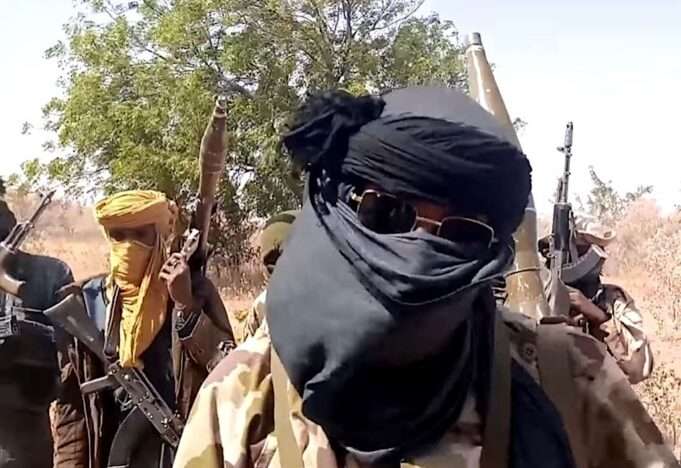
Nigeria is a hotbed for kidnapping. In 2025 alone, there were more than 4,000 reported cases. But for every case recorded, two or three go unreported, leaving relatives to deal with ransom demands alone.





For cases that are reported, the overstretched and understaffed police are often little help. They frequently suggest relatives negotiate directly with kidnappers. As a result, what was once a small sore has festered into a bigger wound.
It has been more than twelve years since 276 girls were kidnapped from their school in Chibok. To date, not all of them have been recovered. Some have died. Others, heavily traumatized, have been found bearing children of their captors — their lives and those of their families destroyed.
The swift rescue of the ex-minister’s relatives in just a few days points to one thing: elitism. If you’re well connected, the powers that be pull out all the stops to do what they’re supposed to do in the first place. If you’re an ordinary citizen, they can’t be bothered.
Even though the Federal Government has a policy of not negotiating with kidnappers — understandable, since they don’t want to encourage the practice — it also lacks the means to end the scourge.
Every government from the Obasanjo regime to the present incumbent has promised a hardline on abductions and banditry. To date, all that hardline rhetoric has been just “audio,” leaving bandits and kidnappers free to operate.
There have been calls to allow citizens to bear arms, but that risks extrajudicial killings instead of self-defense. There have also been calls for stiffer penalties, but you first need to catch perpetrators and stop them from bribing their way out of the judicial system.
The Forest Guards program is taking off, with hundreds being recruited, trained, and deployed. But are they paramilitary-trained enough to fight kidnappers in the bush?
Just like when the Chibok girls went missing under President Goodluck’s watch, the government is taking a lukewarm approach. What should be a top priority has been pushed to the bottom of the list as politicians rush to collect nomination forms for 2027 elections — the only thing that matters to them.
If this were America, Trump would have mobilized the Army, Navy, Air Force, CIA, and whatever else he could think of to find all kidnapped victims. In Nigeria, the only top priority for politicians is re-election.
Children’s Day has come and gone. Democracy Day has passed. We’re heading toward Independence Day, and somebody’s child, uncle, aunt, or husband is still being held against their will. Meanwhile, security services run around like headless chickens, clueless about what to do next.
What happened to their network of informers? Are surveillance techniques so primitive they can’t locate a large gathering of people in the bush? Surely contact has been made with kidnappers so they can list demands. Why haven’t those leads been tracked using basic cellular telephony?
But if it’s an ex-minister’s relative, they know how to pull a rabbit out of a hat.
Until the government adopts a zero-tolerance policy toward kidnapping and banditry — and sticks to it — these tragedies will continue. Perhaps it’s time to seek foreign assistance, since we don’t seem to know what to do. Trump has already stationed US troops up North to help fight Boko Haram and ISIS. They have the technology and personnel to find a fly hiding behind a sand dune in the Sahara.
An ordinary Air Force surveillance plane or drone equipped with heat-seeking infrared cameras flying over Old Oyo Park at night could find anyone hiding there within hours, not days. And please don’t involve the NAF, which seems to bomb more innocent people than bad guys. Alternatively, bring in Sheikh Gumi, who seems to know most of the bandits. He might help.
There is no easy fix to ending insecurity in Nigeria other than declaring a brutal state of emergency that grants security services carte blanche. Again, that can lead to abuse of power, as we saw with the disbanded SARS.
To truly eliminate insecurity, the government must think long term and address the root cause: hunger. A hungry man or woman facing unemployment and high cost of living, with nothing to lose, will commit any crime to put food on the table and a roof over their head. Doubling the size of the security services and equipping them doesn’t solve that problem.