As the 2027 general elections draw nearer, the stakes rise in equal measure, bringing with them a mix of anxiety, apprehension, and cautious anticipation. The drums of politics are beating louder across the nation, echoing through corridors of power and grassroots communities alike. Expectations are heightened, and the political space is increasingly charged with intrigues, horse-trading, strategic consultations, subtle negotiations, and calculated grandstanding among aspiring aspirants.
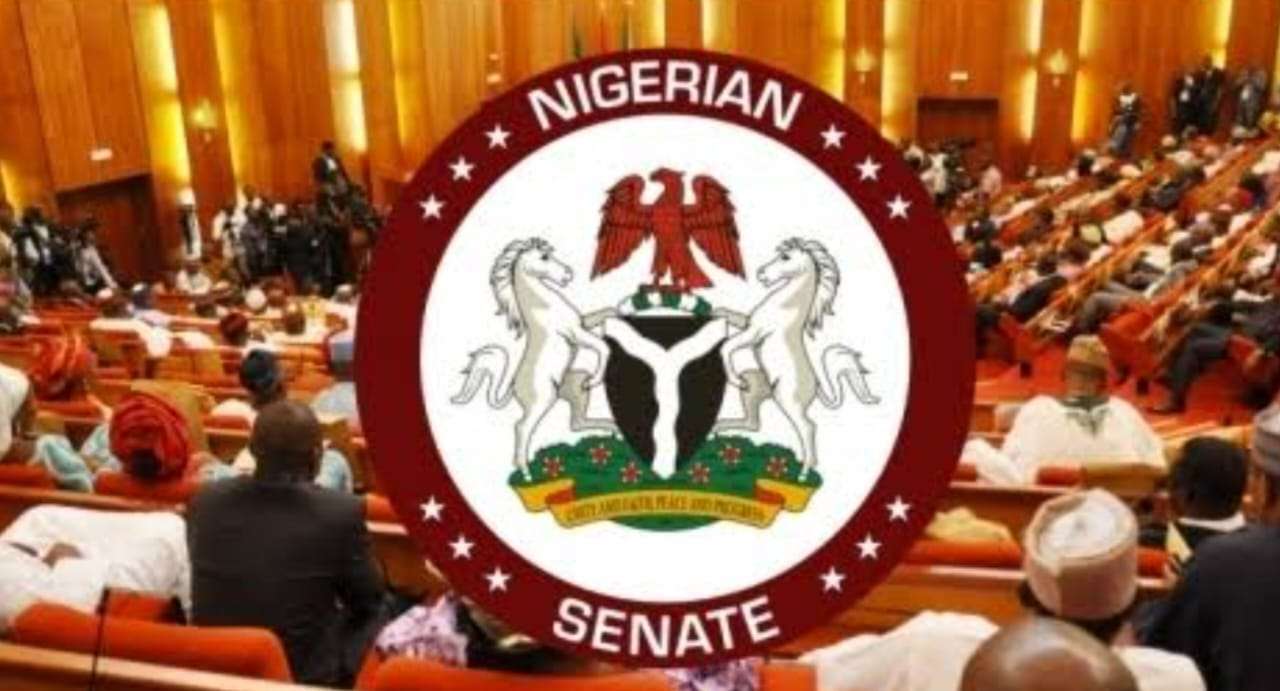
At the very heart of this unfolding democratic drama lies the National Assembly—the epicenter of legislative authority and political contestation. It is here that the core functions of governance—representation, lawmaking, and oversight—are performed. Comprising 469 federal lawmakers—109 Senators and 360 members of the House of Representatives—the Assembly is not just a meeting point of elected officials, but a theatre where the direction of the nation is often negotiated and defined.
Yet, beyond its numbers and constitutional responsibilities, the true character and effectiveness of the National Assembly are ultimately shaped by its leadership. In both chambers—the Senate and the House of Representatives—the tone, direction, and integrity of legislative business depend largely on those who preside. The President of the Senate, who also chairs the joint session of the Assembly, alongside the Speaker of the House of Representatives, occupies a position that demands not just political dexterity, but statesmanship of the highest order.
As permutations ahead of 2027 begin to crystallize, particular attention is being drawn to the Senate Presidency—a position reportedly zoned to the southern region of the country. Already, key political figures within the ruling All Progressives Congress are subtly and overtly positioning themselves, building alliances, and testing the waters in anticipation of what promises to be a fiercely contested race.



For Nigerians, however, beyond the political maneuvering lies a deeper expectation—a yearning for leadership that is humane, compassionate, experienced, and genuinely connected to the realities of the people. The next President of the Senate is expected not merely to preside over proceedings, but to embody empathy, to understand the pulse of a nation grappling with economic hardship, social dislocation, and developmental challenges.
There is a growing demand for a legislative leader who can champion people-oriented laws—one who can drive bills that address critical social needs: a revitalized educational system, affordable housing frameworks, accessible healthcare, improved road infrastructure, and policies that directly impact the daily lives of ordinary Nigerians. In essence, the office must transcend politics and become a platform for national renewal.
Among those whose names have surfaced prominently in this unfolding contest is Senator, Adams Oshiomhole. A former labour leader, two-term governor of Edo State, and past National Chairman of the APC, Oshiomhole brings with him a rich blend of activism, executive experience, and party leadership. Now serving as a Senator and Chairman of the Senate Committee on Interior, he has remained vocal and assertive in legislative debates. His political trajectory reflects resilience and capacity, making him a formidable contender whose moves will be closely watched.
Also in the mix is Senator, Dave Umahi, a former governor of Ebonyi State and currently Nigeria’s Minister of Works. Though his time in the Senate was brief before his ministerial appointment, Umahi has carved a reputation for infrastructural development and technical precision. His stewardship in the Ministry of Works, marked by a strong emphasis on quality and accountability, has positioned him as a results-driven leader. His transformational record in Ebonyi remains a strong pillar of his political appeal.
Another influential figure is Senator, Hope Uzodinma, the incumbent governor of Imo State and Chairman of the Progressive Governors’ Forum. A former Senator, Uzodinma commands significant influence within party structures and has not concealed his ambition for the Senate Presidency. His strategic positioning within the governors’ bloc and his attempts to build legislative alliances signal a carefully orchestrated pursuit of the office. As a sitting governor nearing the end of his tenure, his interest in the Senate Presidency is both strategic and consequential.
Equally notable is Senator, Orji Uzor Kalu, a serving Senator and former governor of Abia State. Known for his tenacity and deep understanding of legislative politics, Kalu is widely regarded as a determined political operator. His unwavering loyalty to the presidency and his strong connections within the corridors of power could prove advantageous. In the intricate chessboard of Nigerian politics, such proximity to power often carries significant weight.
Then there is the incumbent, Senator Godswill Akpabio, renowned for his uncommon toga back then,whose interest in retaining the Senate Presidency is hardly in doubt. A former governor of Akwa Ibom State, Akpabio has brought a distinctive leadership style to the Senate—one marked by cooperation with the executive and an aversion to unnecessary confrontation. His approach has fostered relative stability within the legislative arm, smoothing potential frictions and promoting a unified governmental front.
Akpabio’s tenure has been characterized by a careful balancing act—maintaining cordial relations within the Senate while aligning closely with the executive branch. His political maturity, extensive network, and legislative experience have contributed to a more stable National Assembly environment. His legacy as governor, often associated with transformative infrastructure, further strengthens his profile as a candidate seeking continuity.
As these political gladiators position themselves, the contours of the 2027 elections are gradually taking shape. The battle for the Senate Presidency is not merely a contest of individuals, but a reflection of broader political interests, regional calculations, and the evolving expectations of Nigerians.
Ultimately, the question is not just who emerges victorious, but what kind of leadership will define the next phase of Nigeria’s legislative journey. Will it be one anchored on empathy and reform, or one driven by political expediency?
As the nation watches and waits, one thing is certain—the theatre of the National Assembly will remain one of the most compelling arenas in Nigeria’s democratic evolution. And in that theatre, the choice of leadership will not only shape the legislature but will also echo across the entire fabric of governance in the years to come.